terrybtaylor's pick · Updated August 2026
ASUS ROG Strix G16 (2025) G615JMR-AS74
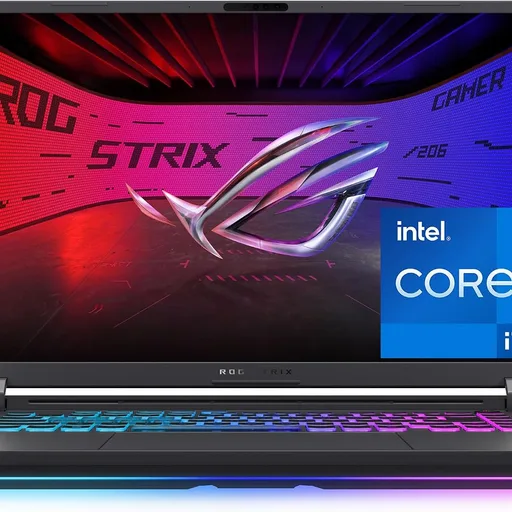

The ASUS ROG Strix G16 (2025) is the kind of laptop that makes sense for a buyer who wants a gaming machine that can also pull double duty as a general-purpose desktop replacement. The mix of a 16-inch 16:10 display, a 165Hz refresh rate, an RTX 5060, and a 14th-gen Core i7 points to a system aimed at people who care about both frame rate and everyday responsiveness. It may suit someone who wants one machine for games, schoolwork, creative apps, and regular browsing, without stepping all the way into the very high-end price tier that larger flagship rigs can reach.
The main reasons to consider it are the display spec, the graphics card, and the storage and memory balance. A 165Hz panel with a 3ms response time is the kind of spec that matters most in fast-moving games, while the 16:10 aspect ratio gives a little more vertical room for work and web pages than a basic 16:9 screen. The 1TB Gen 4 SSD is a practical starting point if you keep a few large games installed, and Wi-Fi 7 is a forward-looking feature if the rest of the network gear in the home is ready for it. For buyers comparing gaming laptops, this combination is usually more useful than a long list of flashy extras.
The part to verify is whether the included 16GB of DDR5 memory is enough for the way the laptop will actually be used. For many games and standard everyday tasks, 16GB is still a workable baseline, but heavier multitasking, modded games, content creation, and keeping many apps open at once can push a system harder. It is worth checking whether the memory is user-upgradable, because that can matter more than the factory configuration for a machine in this class. The display resolution is also worth confirming against expectations, since FHD+ on a 16-inch panel is a different choice from higher-resolution options and may matter more to buyers who care about sharper text and extra workspace than about raw frame rate.
Since there are no usage notes here, the evidence posture has to stay on the listing and the category rather than on any claimed hands-on result. That means reading this as a spec-driven recommendation, not as a report from someone who has tested thermals, battery life, fan noise, or game performance. Those are exactly the areas a careful shopper should look for in outside reviews, along with whether the chassis, keyboard, port layout, and cooling approach match the way the laptop will be used. A gaming laptop can look strong on paper and still be the wrong fit if the cooling gets loud, the battery is short, or the port selection does not suit the desk setup.
Who this may fit best is the buyer who wants a strong mid-to-upper gaming laptop with enough muscle for everyday work and enough screen size to feel comfortable outside of games. It is a sensible option for someone who wants a modern spec sheet and does not mind checking a few details before buying. If the goal is a balanced gaming laptop rather than the lightest machine or the biggest screen, this one deserves a close look.
Amazon product links on this guide are not currently affiliate links. Neither terrybtaylor nor Buyer Field Guide earns an affiliate commission from them.
See current price